Quick Answer
The real cost of fasteners goes far beyond unit price. A €0.02 cheaper bolt can cost €31,000 when you factor in inspection, rejection, inventory, shipping delays, and quality failures. Total Cost of Ownership (TCO) is what matters — not the quote line.
A Real Buyer's Story: The €12,400 Lesson
Last year, a German automotive parts buyer ordered 12.9级 flange bolts from a trading company at 18% below our quote. Three months later, 14 bolts snapped during assembly — hydrogen embrittlement from improper electroplating. The line stopped for 2 days, the customer paid €12,400 in rush freight and rework, and the trading company disappeared. We re-supplied the same specification with zinc-flake coating (zero hydrogen) in 96 hours from stock. He's been with us since.
After 7 Years in Fastener Sourcing, a Cheap Batch of Bolts Taught Me the Real Meaning of TCO
By Mark, Procurement Manager at a German Industrial Fastener Distributor · September 2026
Key Takeaways
· The Total Cost of Ownership (TCO) of fastener sourcing includes 7 components. Unit price typically accounts for only 60%-70%; hidden costs make up 30%-40%.
· A single bad batch of cheap fasteners can cost 2-3x the invoice value in inspection, expedited air freight, and project delay penalties.
· Over a 20-year lifecycle, hot-dip galvanized (HDG) fasteners have 40%+ lower TCO than electro-zinc plated ones because they don't need frequent replacement.
· Sourcing directly from an ISO-certified Chinese factory with no MOQ and mixed-container support can reduce overall TCO by 20%+.
Quick Answer
The real cost of fasteners goes far beyond unit price. A €0.02 cheaper bolt can cost €31,000 when you factor in inspection, rejection, inventory, shipping delays, and quality failures. Total Cost of Ownership (TCO) is what matters — not the quote line.
Let me start with some context. I've been working in procurement at an industrial fastener distributor in southern Germany for seven years. We're a small company — about a dozen people — supplying mechanical engineering firms, steel construction companies, and municipal projects across Bavaria and Baden-Württemberg. I manage roughly 200 active SKUs with an annual spend of around €1.2 million.
After seven years in this business, you start to feel like you've seen it all. Every grade, every standard, every supplier trick. That is, until the spring of 2024, when a batch of DIN 931 half-thread hex bolts taught me a lesson I won't forget.
It Started With an Alibaba Inquiry
In March 2024, we landed a steel construction project in Austria requiring about 12 tons of M16, grade 8.8, hot-dip galvanized hex bolts. Not a huge order, but not small either. Buying from our local distributor would cost €1.82/kg. I decided to try sourcing directly from a Chinese factory.
I posted an inquiry on Alibaba and received seven or eight quotes within three days. The cheapest came in at €1.02/kg; the most expensive was €1.38/kg. That's a 35% spread on the same spec.
You might assume I'd avoid the cheapest one. Honestly, I hesitated — €1.02 seemed too good to be true. But their Alibaba page looked professional: ISO certificate photos, factory videos, responsive customer service. I even asked for samples, and they looked fine under casual inspection.
I did the math: 12 tons, saving roughly €1,900 compared to the second-cheapest quote, and nearly €10,000 compared to our local distributor. I reported to my boss, who said, "Your call — just watch the quality."
I went with the €1.02 supplier. Looking back, I had no idea what "watch the quality" actually meant in practice.
When the Goods Arrived, Things Started Going Wrong
The shipment arrived at Hamburg Port in late May, two days ahead of schedule. I was pleased. Then Klaus, our warehouse foreman, said something I brushed off: "The plating on this batch looks uneven — some areas are dull." I told myself hot-dip galvanizing always has some color variation.
Klaus's eyes turned out to be more reliable than my seven years of procurement experience.
The Austrian client required third-party inspection reports for every batch. I sent samples to a lab in Stuttgart for salt spray testing and hardness verification. I was drinking coffee when the report came back. I nearly dropped the cup.
Salt spray showed red rust at 48 hours — the contract required 240 hours. Hardness was worse: of 20 samples, 3 fell below the grade 8.8 minimum, and 2 were over-hardened, indicating inconsistent heat treatment.
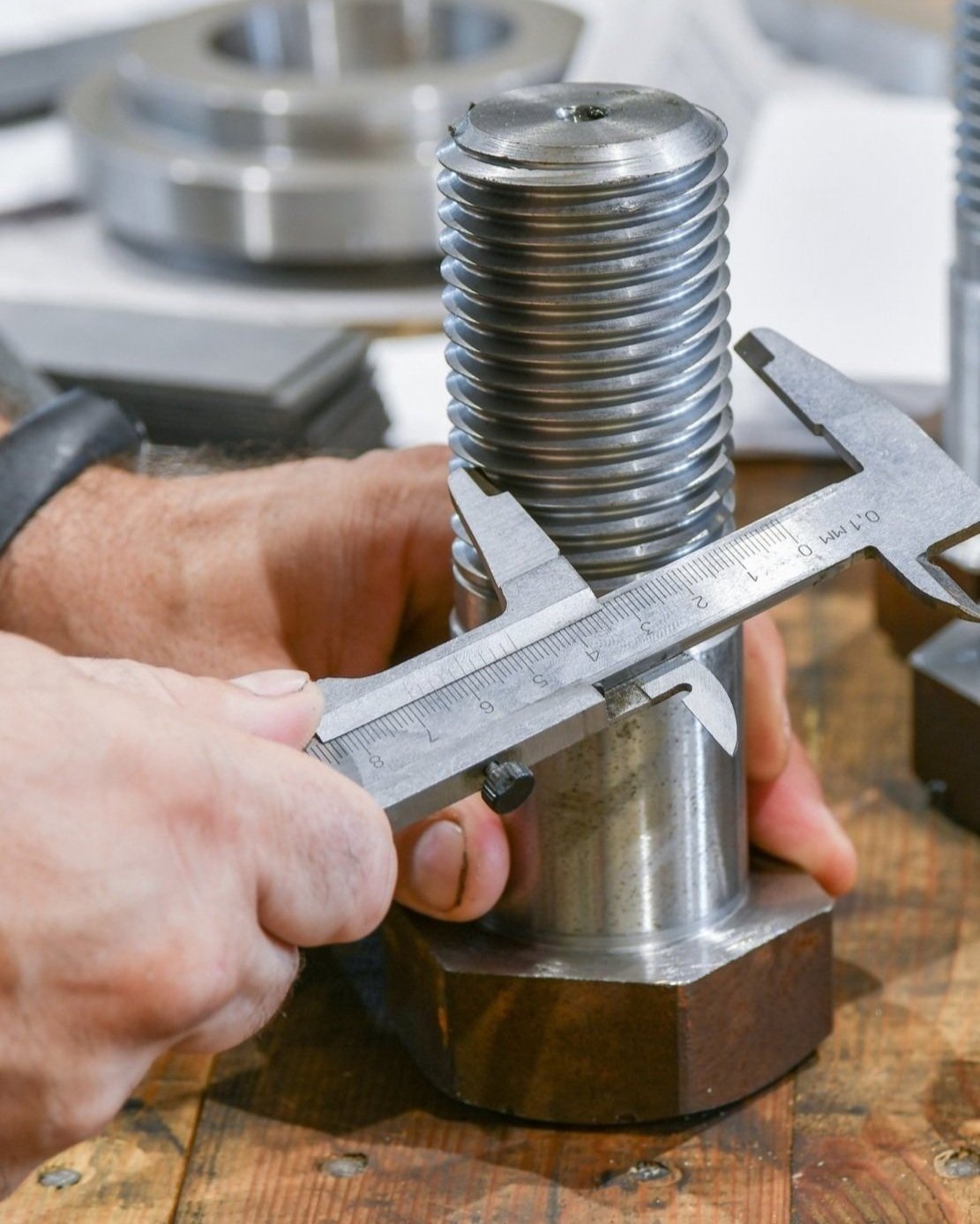
▲ Dimensional and hardness inspection of incoming fasteners. These tests aren't cheap in Europe, but skipping them is more expensive.
I contacted the Chinese factory immediately. Three days later, a reply: "Our products have no issues — perhaps your testing method is incorrect." I sent the lab report again. No response. WhatsApp messages went unanswered. I realized I'd been scammed.
Worse, the Austrian installation crew was already on site — twenty workers standing idle because the bolts hadn't passed inspection. Each day of delay cost thousands in labor penalties. I had no choice but to emergency-source from our local distributor at €1.82/kg plus a 20% rush surcharge. Three tons that couldn't wait for sea freight went by air — €4,800 in air freight alone.
What happened to the "cheap" batch? Return shipping cost more than the goods were worth. We sold them as scrap at €0.15/kg.
Final tally: scrap loss + inspection fees + emergency purchase premium + air freight + project delay penalty = approximately €31,000. The amount I'd "saved" by choosing the cheapest supplier: €1,900.
My boss didn't yell. He said one thing I'll always remember: "Mark, I'm not upset that you paid too much. I'm upset that you bought too cheap."
That's When I Learned About TCO
For two weeks after that incident, I was pretty depressed. Seven years on the job, and I'd made a rookie mistake. But moping doesn't fix anything — I needed to understand what I'd done wrong.
I read extensively on procurement methodology and encountered a concept called Total Cost of Ownership, or TCO. In simple terms: every cost from the moment you issue an RFQ to the day the last bolt is tightened — and even beyond, through the warranty period.
Fastener TCO Formula: Unit Price + Freight & Duties + Quality Loss Cost + Inventory Carrying Cost + Lead Time Risk Cost + Documentation & Compliance Cost + After-Sales Cost
Seeing this formula, I understood immediately. I'd spent 95% of my effort on the first component — unit price — and virtually ignored the other six. Yet those six typically account for 20%-40% of the real cost. My €31,000 loss came entirely from those hidden categories.
I organized my mistakes and subsequent research into six categories of hidden costs in fastener sourcing. Each one is a lesson I paid for in real money.
Six Hidden Costs in Fastener Sourcing
1. Quality Cost — A Bad Batch Can Cost 2-3x the Invoice Value
Quality cost is the largest hidden component in fastener TCO. It includes 100% inspection labor, third-party testing fees, return logistics, emergency replenishment premiums, air freight, and project delay penalties. My bad batch incurred quality costs roughly 2.5x the original invoice value.
Now I always ask two questions in every RFQ: What is your historical return rate? Can you provide first article inspection reports and EN 10204 3.1 material certificates? These two questions filter out most suppliers who compete only on price.
One more warning: if you're sourcing grade 10.9 or higher high-strength bolts, pay special attention to hydrogen embrittlement. A colleague once sourced grade 12.9 socket head cap screws that weren't de-embrittled after plating. Three months after installation, they started failing spontaneously. This defect is invisible in incoming inspection — you can only prevent it through supplier process control and your own auditing.
2. Coating & Replacement Cycle — Electro-Zinc Has 2-3x the 20-Year TCO of HDG
I used to have a bad habit: for any outdoor application, I'd default to electro-zinc plating because it was about 15% cheaper than hot-dip galvanizing. That changed when a long-time customer complained that a batch of outdoor fencing bolts we'd supplied three years earlier was rusting badly and needed full replacement.
I looked into it: electro-zinc lasts roughly 3-5 years in temperate outdoor environments. Hot-dip galvanizing (HDG) lasts 15-25 years. Over 20 years, electro-zinc needs replacement 4-7 times; HDG might need zero. Factoring in replacement labor and equipment downtime, the "cheaper" electro-zinc ends up costing 2-3x more.
| Coating | Price Index | Expected Life (Inland) | Replacements in 20 Yrs | 20-Year TCO Index |
|---|---|---|---|---|
| Black Oxide (oil) | 1.00 | 1-2 yrs | 10-20 | 8.0-12.0 |
| White Zinc Plating | 1.10 | 3-5 yrs | 4-7 | 3.5-5.0 |
| Yellow Zinc Plating | 1.15 | 5-8 yrs | 3-4 | 2.5-3.5 |
| Hot-Dip Galvanized (HDG) | 1.40 | 15-25 yrs | 0-1 | 1.4-1.8 |
| Zinc Flake (Dacromet) | 1.60 | 15-30 yrs | 0-1 | 1.6-2.0 |
Note: TCO index includes replacement labor, equipment downtime, and disposal — not just bolt unit price. In coastal or chloride environments, electro-zinc life drops sharply, and A4-80 stainless steel (316) actually has the lowest TCO.
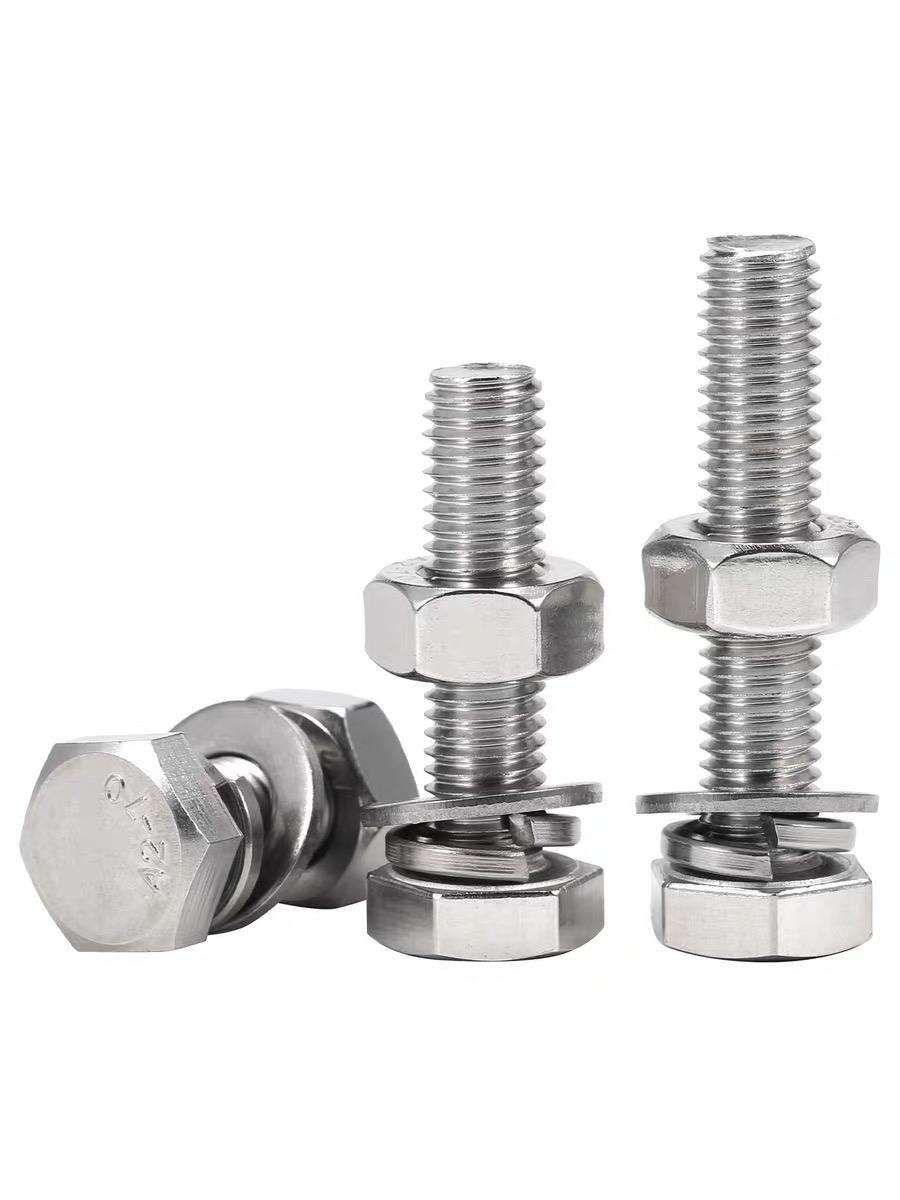
▲ Stainless steel A2-70/A4-80 bolt, nut, and washer sets. For coastal projects I now specify A4-80 without hesitation — more expensive upfront, but no replacement needed.
3. Inventory & MOQ — High-MOQ Suppliers Can Cost More Than Low-Unit-Price Ones
My colleague Stefan once ordered M20 grade 10.9 structural bolts from a supplier with a 10,000-piece MOQ. Our annual usage is 3,000 pieces. The extra 7,000 sat in our warehouse for 18 months. By the end, 2,000 pieces had developed plating rust from long storage and had to be sold at a discount.
I helped him calculate: unit price €0.12, average inventory 5,000 pieces, tied-up capital €600, annual carrying cost at 20% = €120. Amortized over 3,000 pieces, that's €0.04 per piece — bringing the real cost to €0.16. Another supplier with no MOQ quoted €0.14 per piece. Real cost: €0.154. The "more expensive" supplier was actually cheaper.
Now I prioritize two conditions above all: Is there a fixed MOQ? Can we do mixed-container consolidation? For a distributor like us with many SKUs and scattered demand, these two factors matter more than unit price.
4. Lead Time & Stockouts — Air Freight for 3 Tons Cost More Than the Entire Sea Shipment
This was my own lesson. Three tons by sea cost a few hundred euros. By air: €4,800. Now I insist on stocked items shipping within 96 hours for standard specs. For custom items, I look for stable 15-25 day production cycles with proactive progress updates — not suppliers who promise the moon and then delay.
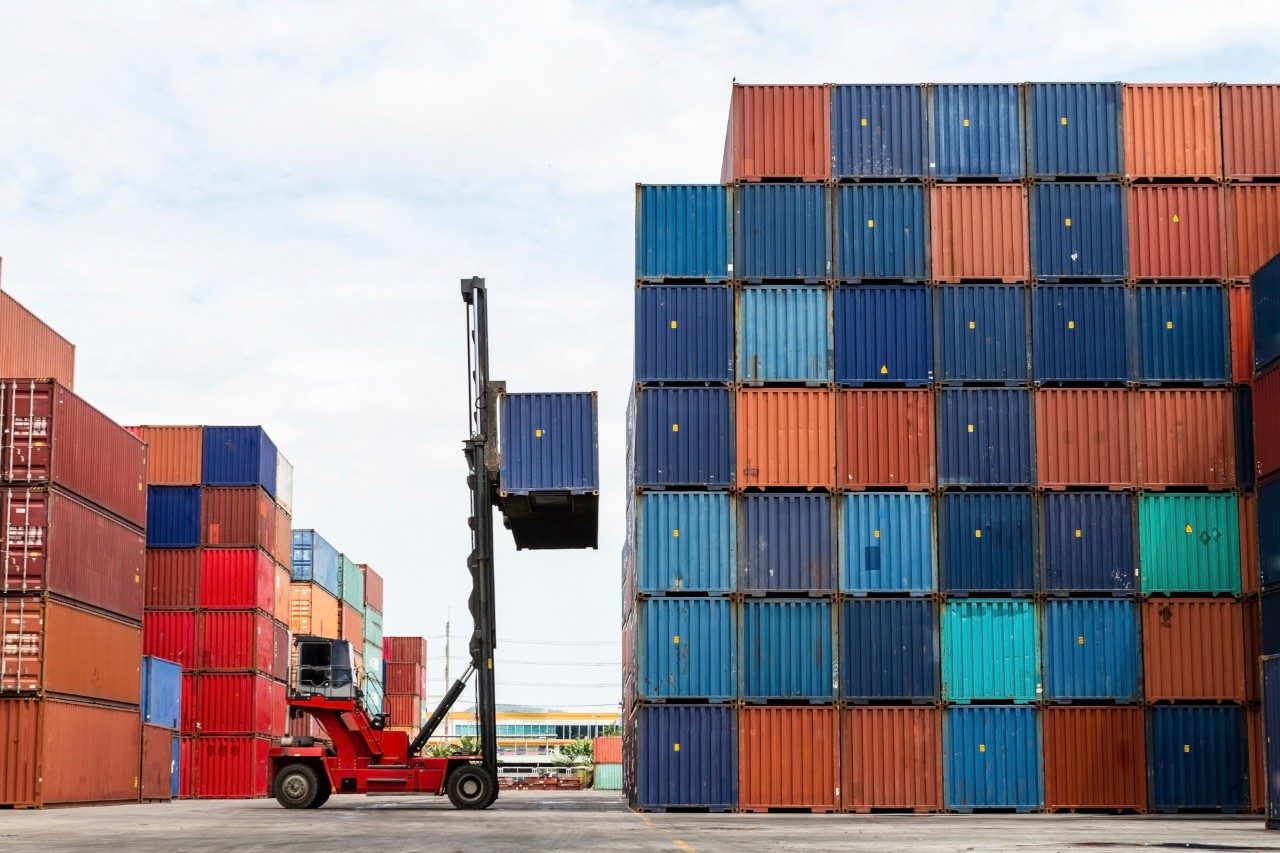
▲ Full-container sea freight is the most economical way to ship fasteners. Mixed-container consolidation further reduces per-unit freight — if your supplier will cooperate.
5. Documentation & Compliance — Batches Without EN 10204 3.1 Certificates Can't Be Used on Certified Projects
Anyone working on construction projects knows: incomplete documentation means the goods can't be used. A batch without an EN 10204 3.1 material certificate simply cannot be installed on a certified project. I once had a supplier who needed three or four follow-ups per shipment to produce certificates — and they frequently got the batch numbers wrong. Once, a certificate batch number mismatch caused the client to reject the entire shipment, costing me a week of rework.
If you supply the automotive industry, pay special attention to IATF 16949 quality systems and PPAP documentation requirements. Suppliers who don't understand these will drive you crazy with repeated resubmissions.
6. After-Sales & Technical Support — A Supplier Who Responds to Problems Is the Real Savings
The final category is after-sales support. When fasteners fail after installation, can the supplier respond quickly? Can they provide technical analysis? Will they cooperate on failure investigation? All of these affect TCO. A supplier who disappears at the first sign of trouble — no matter how low the unit price — is the most expensive choice long-term. My €1.02/kg supplier was the perfect example.
Comparing Three Sourcing Channels by TCO
After those mistakes, I spent about a month systematically researching the three mainstream fastener sourcing channels and re-ranked them by TCO. Based on our company's volume (~50 tons of mixed fasteners per year), here's what I found:
| Cost Component | Local Distributor | Online Trader | China Factory Direct |
|---|---|---|---|
| Unit Price (index) | 1.8-2.5x | 1.2-1.5x | 1.0x (baseline) |
| Freight & Duties | Included (marked up) | LCL shared | FOB + buyer arranges |
| Quality Loss Cost | Low (pre-inspected) | Medium-High (unstable) | Medium-Low (certified factory) |
| Inventory Carrying | Low (buy as needed) | High (MOQ pressure) | Medium (free storage helps) |
| Lead Time Risk | Very Low (same/next day) | Medium (1-2 weeks) | Medium-Low (96hr stock) |
| Documentation | Complete | Often incomplete | Complete (if requested upfront) |
| Overall TCO (index) | 1.6-2.0x | 1.1-1.4x | 1.0-1.2x |
The conclusion is clear: for high-volume, standard-spec annual purchasing, direct factory sourcing from China has the lowest TCO — but only if you choose the right factory. I developed a supplier audit checklist and tested four or five Chinese factories before settling on one in Handan.
Finding YP Fasteners Wasn't Easy Either
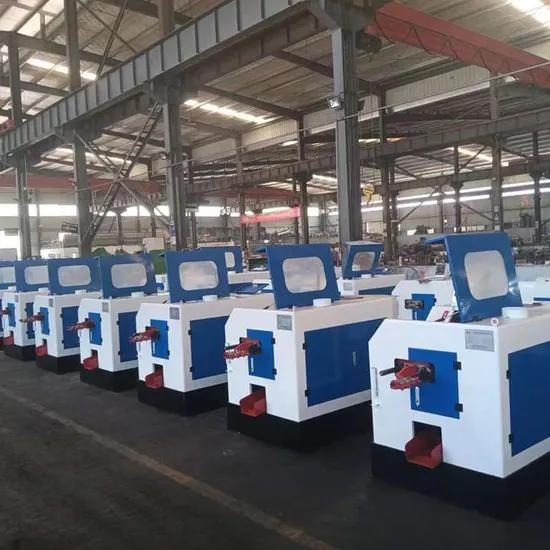
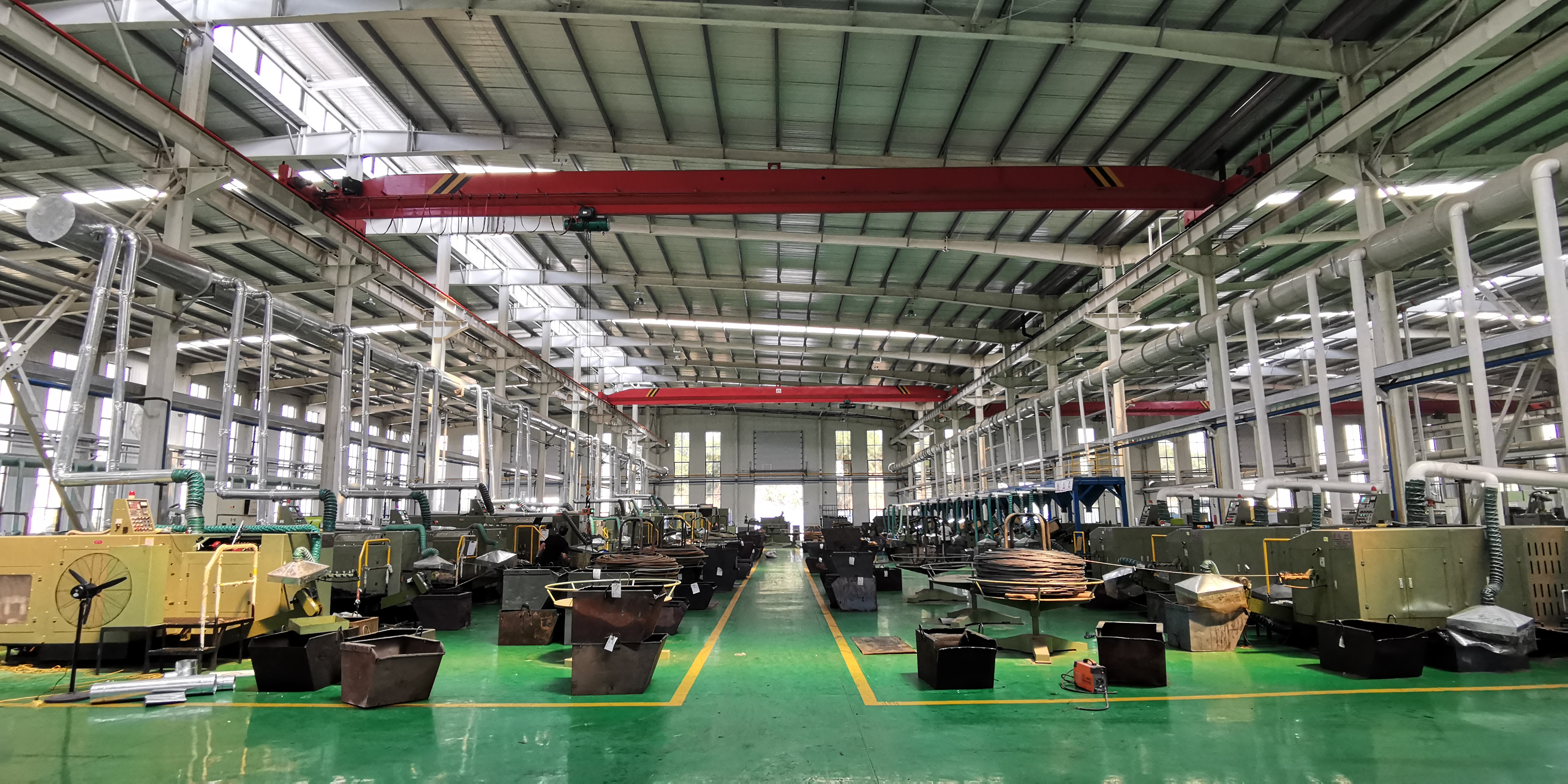
▲ YP Fasteners' cold heading workshop. I took this photo during my factory audit. The equipment isn't the newest, but it's well-maintained and the operators follow procedures.
Honestly, before I found Handan Yuanpai Fastener (YP Fasteners), I'd been burned by two Chinese factories. One was cheap but quality-inconsistent — two trial orders both had minor issues. The other had decent quality but an MOQ we couldn't absorb as a small distributor.
I found YP Fasteners accidentally while Googling "DIN 931 hex bolt manufacturer China." Their website had an article comparing DIN/ISO/GB/ANSI fastener standards — written honestly, no hype, and it pointed out several common sourcing mistakes. I sent them an inquiry email on a whim.
I got a reply the next day — not an auto-reply, but a hand-written email from a sales manager named Lisa. She included a detailed quotation and flagged two ambiguities in my RFQ (coating thickness requirement and packaging method), offering suggestions. That was the first time a Chinese supplier had proactively corrected my inquiry.
But I was cautious. I requested samples, ran third-party tests — all passed. Then I placed a trial order: one 20ft container, about 3 tons. The trial wasn't perfect either — one carton's packaging broke in transit, mixing two sizes. I told Lisa, they confirmed the issue the same day, shipped replacements free of charge in the next batch, and improved their packaging method. That kind of response is worth more than a supplier who claims to never have problems.
After the successful trial, I visited Handan in October 2024 for an on-site audit. The factory is in Yongnian District — an area with thousands of fastener factories. YP's facility isn't the largest, but it has cold heading, heat treatment furnaces, galvanizing lines, and warehousing all in-house, with disciplined management. I reviewed their quality records and shipping documentation, and I was convinced.
After 18 months working with YP Fasteners, here's what actually saves me money — not lower unit price, but lower TCO:
1. No fixed MOQ, mixed-container consolidation supported. I can now load 10+ SKUs in one container — DIN 931 half-thread, DIN 933 full-thread, U-bolts, nuts, washers — without overstocking slow-moving items. Inventory turnover dropped from 3+ months to about 2 months.
2. 180-day free storage with scheduled partial deliveries. For large orders, I can produce the full quantity to get volume pricing, then store it at their factory and release as needed. This alone cut my inventory carrying cost by about 40%.
3. Stocked items ship within 96 hours. M6-M24, grades 4.8-12.9, common coatings — all in stock. Once a client placed a rush order on Thursday afternoon; by Monday the goods were en route to the port. That kind of responsiveness was unthinkable before.
4. ISO triple certification, documentation without chasing. ISO 9001:2015, ISO 14001:2015, ISO 45001:2018 — renewed in April 2026, valid through April 2029. Every shipment automatically includes material certificates, batch records, and inspection reports. No more chasing certificates. They also hold AAA Credit Enterprise and China 3·15 Integrity Enterprise honors — not hard requirements, but indicators of stable operations.
5. Quotations within one business day, technical questions get answered. Send a spec list, get a detailed proposal within one business day. Coating selection, grade matching, drawing review — they give real advice. Once I sent a custom drawing and they flagged two tolerance issues the same day, preventing a batch rejection.
6. Broad product range — one supplier for most needs. Hex bolts (M6-M64), socket head cap screws, grade 10.9 high-strength structural bolts (20MnTiB), flange bolts, U-bolts, nuts, washers, anchor bolts, rivets, and custom parts per drawing. Materials: carbon steel grades 4.8-12.9 and stainless steel A2-70/A4-80. Coatings: HDG, electro-zinc, black oxide. I used to manage 4-5 suppliers; now YP handles most of it, reducing management overhead too.
18 Months Later: My Sourcing Costs Dropped ~22%
From mid-2024 through end of 2025, I did a full TCO review. Result: overall sourcing cost (including all hidden costs) dropped approximately 22% compared to the first half of 2024. Unit price fell ~18%, quality loss costs dropped 80% (virtually no batch quality issues), inventory carrying cost fell 40%, and expedited freight essentially disappeared.
That said, I don't source everything from China. My strategy is a "70/30 mix": 70-80% of annual volume through YP factory direct, 20-30% emergency and specialty small-batch through local distributors. This captures factory-direct pricing while maintaining a local safety stock.
And YP isn't perfect. Custom parts occasionally arrive 3-5 days later than promised. Once, the galvanizing color didn't match my expectation. But their strength is that they own problems and fix them — they don't disappear. For me, that's more valuable than a supplier who "never has issues" — because a supplier who never has issues is probably lying.
If You Want to Try This, Follow This Process
Here's the sourcing evaluation workflow I use now — ready to apply:
Step 1: Write a complete RFQ. For each line item, specify standard number, grade, material, coating, dimensions, quantity, packaging, required documentation, and target delivery date. Use this 12-field fastener RFQ checklist — don't skip any. Vague requirements produce incomparable quotes.
Step 2: Ask beyond unit price. What's the MOQ? How fast can stocked items ship? What's the custom production cycle? What documentation is included? What's the historical return rate? Is free storage available? Is mixed-container consolidation supported?
Step 3: Calculate hidden costs. Based on each supplier's answers, estimate quality loss, inventory carrying, lead time risk, and documentation costs.
Step 4: Rank by TCO, not unit price. The cheapest unit price often ranks 3rd or 4th in TCO.
Step 5: Trial first, then scale. Never start with a large order. Do one small container first. Verify quality, documentation, lead time, and communication. Only then scale up. That's exactly what I did with YP.
Frequently Asked Questions
Q: What does Total Cost of Ownership (TCO) include for fastener sourcing?
A: Seven components: unit price, freight & duties, quality loss cost, inventory carrying cost, lead time risk cost, documentation & compliance cost, and after-sales cost. For a standard grade 8.8 hex bolt full-container purchase, unit price typically accounts for 60%-70% of TCO, with hidden costs making up 30%-40%.
Q: Why is the cheapest fastener quote often the most expensive in the end?
A: Low-price suppliers typically cut corners on quality control, coating processes, documentation, and after-sales response. A single non-conforming batch can trigger full inspection, expedited air freight, and project delay penalties — totaling 2-3x the invoice value. The author of this article lost approximately €31,000 on one cheap batch.
Q: Hot-dip galvanized vs. electro-zinc plated — which has lower lifecycle cost?
A: Over a 20-year lifecycle, hot-dip galvanized (HDG) has lower TCO. Electro-zinc costs ~15% less upfront but lasts only 3-5 years outdoors, requiring 4-7 replacements in 20 years. HDG lasts 15-25 years and may need zero replacements. Including labor and downtime, electro-zinc's 20-year TCO is 2-3x that of HDG.
Q: What are the advantages and risks of sourcing fasteners directly from China?
A: Advantages: unit price is typically 40-50% lower than local distributors and 15-20% lower than traders. Choosing an ISO-certified factory with no MOQ, mixed-container support, and free storage can reduce overall TCO by 20%+. Risks: quality inconsistency and communication overhead. Mitigate with small trial orders before scaling.
Q: How can I avoid quality risks when sourcing fasteners?
A: Five key points: 1) Require EN 10204 3.1 material certificates and first article inspection reports; 2) Ask about historical return rates; 3) Start with small trial orders; 4) For grade 10.9+ high-strength bolts, verify de-embrittlement after plating to prevent hydrogen embrittlement; 5) Choose factories with ISO 9001 certification.
Q: What's the difference between DIN 931 and DIN 933? Which should I choose?
A: DIN 931 is a half-thread hex bolt (unthreaded shank section), suitable for shear-loaded connections. DIN 933 is a full-thread hex bolt, suitable when the nut needs to travel the full shank length or for thin-plate connections. See this detailed technical comparison.
Final Thought
Fasteners look simple, but their cost structure is anything but. It cost me €31,000 and a bruised ego to learn one lesson: the cheapest quote is rarely the best deal — the supplier with the lowest TCO almost always is.
If you're looking for a reliable fastener supplier, try sending YP Fasteners an inquiry — quotations are free. Email them at [email protected] or WhatsApp +86 185 3100 9807. Tell them a German procurement manager sent you — they probably won't know who I am, but I do owe them one.
About YP Fasteners
Handan Yuanpai Fastener Manufacturing Co., Ltd. | YP Fasteners
Email: [email protected] | WhatsApp/WeChat: +86 185 3100 9807
Website: www.ypfasteners.com | Address: Yongnian District, Handan, Hebei, China
Products: View All Products | Knowledge Hub: Fastener Sourcing Blog
Further Reading
· Grade 8.8, 10.9, 12.9 Bolts: A Complete Strength Grade Guide
· DIN 933 vs DIN 931: Full-Thread vs Half-Thread Selection Guide
· Bolt Torque Calculation Errors and Structural Safety
· Bolt and Nut Grade Matching: Mismatch Causes Thread Stripping
· Why Spring Washers Fail in Vibration Environments: Anti-Loosening Pitfalls
© 2026 YP Fasteners | Original content — please credit the source when republishing